If your nervous system often feels stuck on high alert or suddenly drops into shutdown, ordinary coping tools can feel out of reach. You might know the skills that help, yet struggle to use them when you most need them. This is where auditory regulation can offer a steadying hand, giving your body a chance to settle so your mind can engage.
The Safe and Sound Protocol (SSP) is a gentle listening intervention designed to support that shift. In this overview, we explain the science in plain English, who tends to benefit, what a typical week looks like, and how we safeguard clients during delivery. We also set out how NHS provision in the UK compares with private options, and how Octopus Psychology integrates SSP within our Transform Programme, including remote monitoring.
What is the Safe and Sound Protocol?
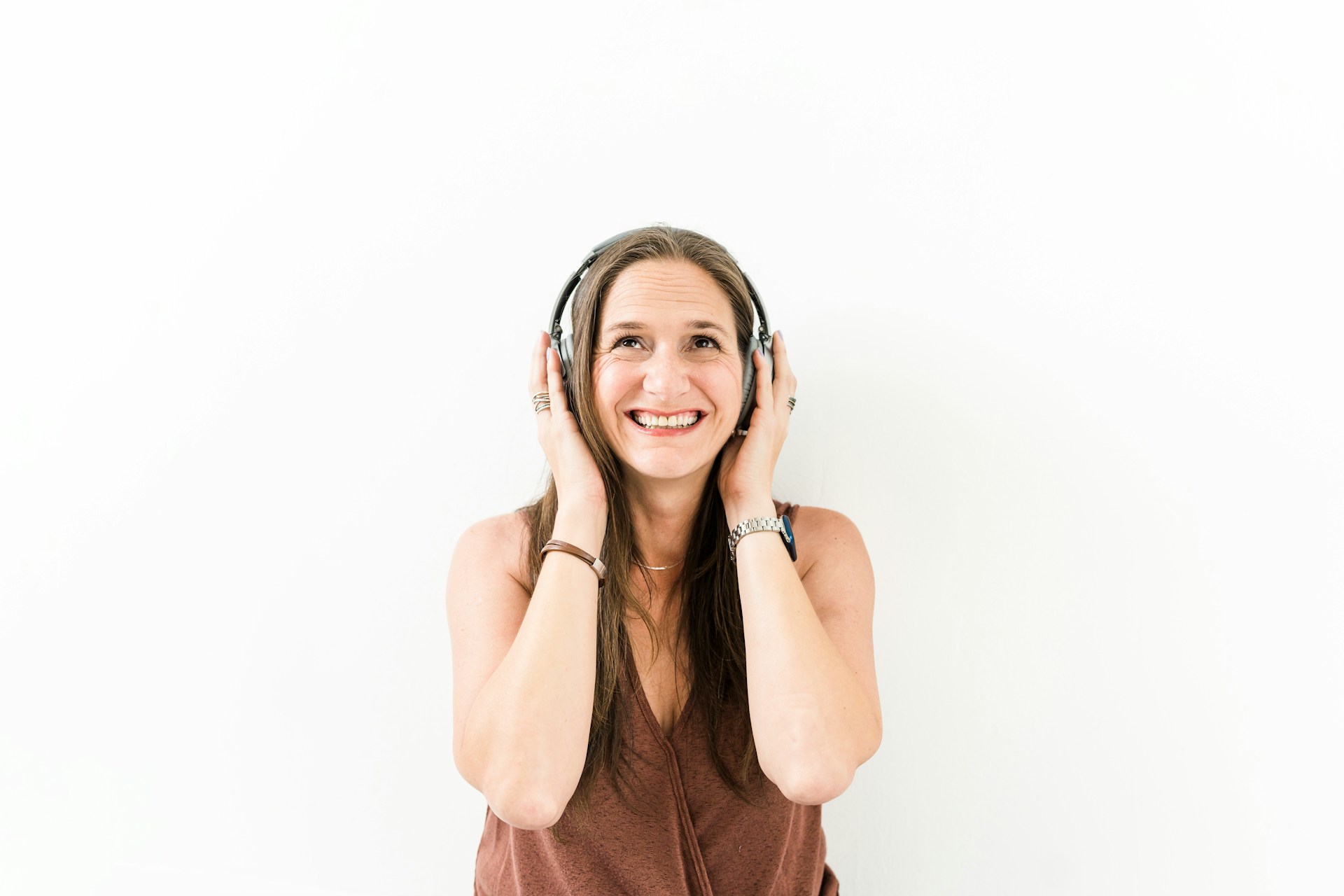
SSP is a non-invasive listening therapy developed by Dr Stephen Porges, originator of Polyvagal Theory. It uses specially filtered music delivered through quality headphones to exercise middle-ear muscles and bias the auditory system toward frequencies of human speech. By improving the nervous system’s ability to detect cues of safety, the body often shifts toward a calmer, more socially engaged state.
Think of it as gym work for the neural circuits that help you orient, connect and regulate. When those systems are steadier, it often becomes easier to sleep, concentrate, tolerate everyday stress and benefit from talking therapies or coaching. SSP is not a cure-all, and it is not a replacement for trauma therapy or medical care. It is a physiological adjunct that can make other work more accessible.
Emerging research and clinical observations suggest benefits for anxiety, trauma-related dysregulation, ADHD traits, autistic spectrum profiles and sensory sensitivities. Reported changes include improved emotional regulation, reduced auditory defensiveness, steadier mood and more capacity to engage with others. As with any intervention, outcomes vary.
For a deeper introduction, you can read more about our approach to the safe and sound protocol on our site.
Who is SSP suitable for, and who should avoid it?
Good candidates typically include adults and young people who experience any of the following:
- Anxiety, hypervigilance or frequent overwhelm
- Trauma-related dysregulation, including complex trauma histories
- ADHD traits such as distractibility and difficulty settling
- Autistic profiles with sensory sensitivities or social listening fatigue
- Chronic stress patterns, burnout or sleep disruption
Suitability is always confirmed through clinical assessment. At Octopus Psychology, we screen medical and psychological history, including seizure history, complex dissociation, severe sound sensitivity, significant hearing conditions and current medication. We ensure basic regulation skills are in place first, such as breathwork, orienting and boundary setting.
Who should avoid or defer SSP? People with unstable medical or psychiatric conditions, unmanaged seizures, acute crises, or those without a safe environment to pause and ground may need a different starting point. Pregnant clients and those with active ear infections should seek medical advice before starting. Where there is current safeguarding risk, we prioritise stabilisation, support networks and safety planning before considering SSP.
Are there side effects and how are they managed?
Short-term effects are usually mild and can include sleepiness, emotional shifts or temporary activation such as restlessness or irritability as the system recalibrates. These experiences typically pass within hours to a couple of days. We manage this through careful pacing and titration: starting with brief listening segments, adjusting the environment, pausing when needed and using simple grounding practices.
You are guided to notice early signs of activation and to communicate changes between sessions. If discomfort arises, we reduce listening time, switch to calmer tracks, add regulation exercises or hold off for a day or two. Your clinician keeps an eye on patterns so the process remains safe and sustainable.
What does a typical session week look like?
SSP is usually completed in blocks across several days, but the exact plan is personalised. A common approach is:
- Day 1 to 2: Short segments, for example 5 to 15 minutes of listening, with a focus on comfort, hydration and gentle movement or stretching afterwards.
- Day 3 to 5: If tolerated, building to 20 to 30 minutes. We continue to track sleep, mood, sensory load and daily stress.
- Days off: Rest days are used whenever activation spikes, schedules are tight or life stress is high.
During the week, you keep activities low demand where possible and avoid intense exercise or emotionally charged events immediately after listening. We check in to adjust the plan, especially where there is complex trauma or pronounced sensory sensitivity. Parents and carers supporting a young person receive pacing guidance and simple co-regulation strategies.
Is SSP available on the NHS in the UK?
NHS provision is limited and varies by region. Some child development or neurodiversity services may offer listening therapies in specific pockets, but SSP is not widely commissioned. Most people who use SSP in the UK access it through private providers. If you hope to pursue NHS routes, ask your GP or local mental health team about sensory integration or neurodevelopmental services, and keep your NHS clinicians informed if you begin SSP privately.
How Octopus integrates SSP within the Transform Programme
At Octopus Psychology, SSP is one part of a broader, person-centred plan. Within our Transform Programme, we combine:
- Clinical assessment, goal setting and skills for self-regulation
- SSP listening tailored to your tolerance and life rhythm
- Psychotherapy or coaching to translate gains into everyday life
- Optional complementary neurotechnology such as NeurOptimal brain training to reinforce flexibility and recovery
This integrated approach helps you convert physiological shifts into practical change, such as clearer thinking at work, steadier family interactions and improved sleep routines. If you want to understand more about our wider neurotechnology approach, see our overview of what is neurotechnology and how it is used in care.
Remote delivery and progress monitoring
SSP can be delivered online with clinician oversight. We set you up on a secure platform, confirm headphone quality and listening environment, and agree a communication plan. Progress is monitored through:
- Brief pre and post-listening check-ins, either via messages or short calls
- Symptom and wellbeing tracking, including sleep, energy, mood and sensory load
- Adjustments to dosing and scheduling based on your responses and commitments
Parents or partners can be coached to support co-regulation at home, and we encourage collaborative notes so everyone sees trends.
Safeguarding, consent and suitability screening
We take safeguarding seriously. Before starting, you will receive clear information on aims, potential effects and alternatives. We gain informed consent, confirm you have a safe space to listen, and agree how to pause if needed. Where there are current risks, we co-develop a safety plan and liaise with relevant professionals with your permission. For young people, we obtain parental consent and ensure age-appropriate delivery.
Suitability screening covers health history, medications, sensory profile, trauma history and current stressors. We establish stabilisation routines first, and we encourage you to keep your GP or NHS clinician in the loop, particularly if you have complex needs.
Frequently asked questions
- What is the Safe and Sound Protocol?
SSP is a clinician-guided listening programme using filtered music to support autonomic regulation and social engagement, often improving tolerance to stress, sleep and connection with others.
- Who is it for, and who should wait?
It can suit adults and young people with anxiety, trauma-related dysregulation, ADHD traits, autistic profiles and sensory sensitivities. People with unstable medical or psychiatric conditions, unmanaged seizures or acute crises should defer and seek stabilisation first.
- Are there side effects?
Short-lived tiredness, emotional shifts or temporary activation may occur. These are managed by pausing, reducing dose and using grounding skills under clinician guidance.
- Can I get SSP on the NHS?
Provision is currently limited and region dependent. Most UK clients access SSP privately, while informing their NHS clinicians.
- How is it delivered online and monitored?
You listen at home using approved equipment, with regular check-ins and symptom tracking. Clinicians adjust pacing to keep you within a safe window of tolerance.
Next steps
If you are exploring the safe and sound protocol in the UK and want a tailored, ethically delivered option, our clinicians can help you decide whether it fits your goals. Read more about our Transform Programme for stress management counselling, or learn how complementary tools like NeurOptimal sessions may support your recovery. If you prefer to speak first, contact Octopus Psychology for a short conversation about suitability and next steps.
Internal resources you may find helpful:
- Learn more about the safe and sound protocol and listening therapy programmes at Octopus Psychology.
- Explore what is neurotechnology and how it can complement therapy.
- Read about NeurOptimal brain training and how sessions are paced alongside SSP.
- Discover the Transform Programme if you want a structured path to steadier regulation.